
From criminalizing hatred to controlling dissent
Britain's new Online Safety Act caps 20 years of progressive political censorship

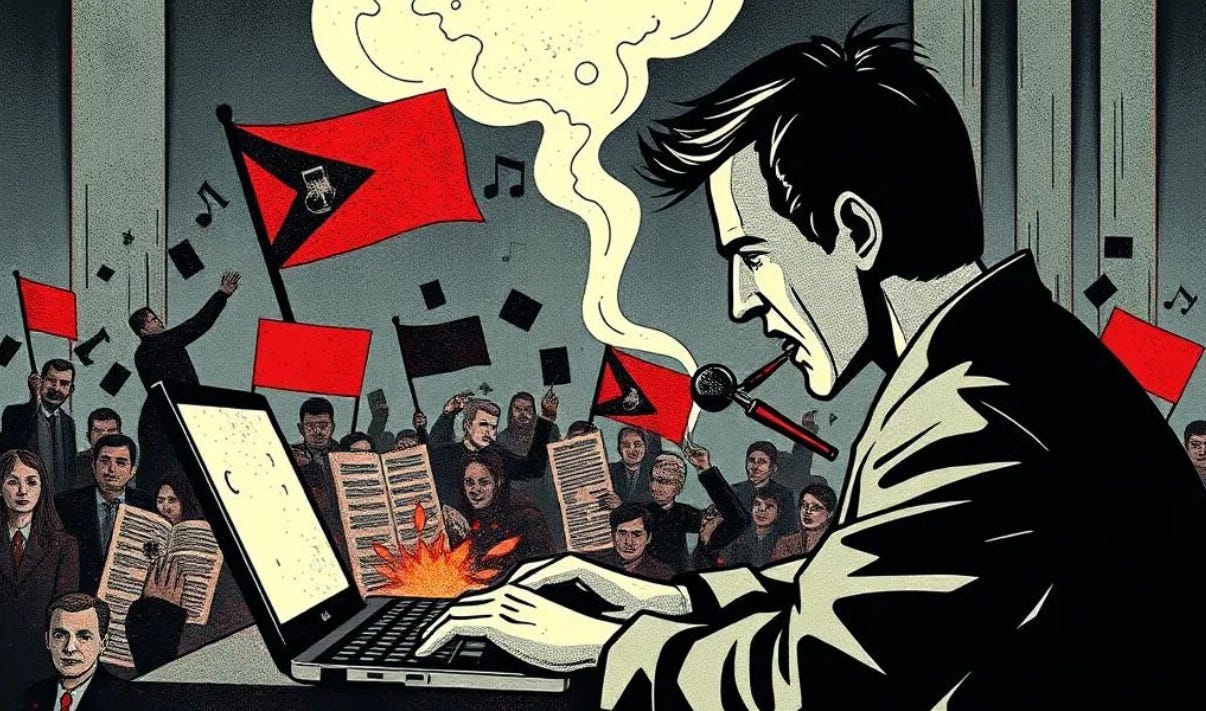
Americans (blessed with the First Amendment to the Constitution) are often incredulous at the thought that British public authorities have statutory powers to control speech. Even Britons are shocked at how those powers are being wielded. ‘Surely this can’t be right?’ I often hear from Britons as well as Americans.
Well, given ignorance of powers that are now 20 years old, you’re going to be really shocked at additional powers that are now barely a week old.
Let’s fully understand how this started, 20 years ago. The Racial & Religious Hatred Act (2006) criminalizes hatred of protected characteristics. It was once sold as a protection against violence, but was soon wielded to criminalize speech.
By 2021 the UK was ranked ‘partially open’ — the third tier — by the Index on Censorship. The UK has fallen below the top 20 for press freedom in the World Press Freedom Index.
Since then, prosecutors and judges have pushed the boundaries further, with ever more blatant bias against certain politics. For instance, in 2024 a prosecutor brought to court a traumatised Army veteran for Facebook posts describing the summer’s protests and counter-protests as a ‘civil war’ that could end in ‘bullets.’ The prosecutor asked the judge to take into account the accused’s attendance at a right-wing rally. She agreed: Judge Tracey Lloyd-Clarke sentenced him to two years in prison. This was three months after she spared a child rapist, when the public defender asked her to take into account prison overcrowding.
